The term MCP servers has been gaining traction across the AI and software development ecosystem, yet many technologists are still unsure what it truly means, how it works, and why it’s suddenly everywhere. Are MCP servers just another buzzword? Or are they a foundational shift in how language models and tools interact with the modern digital landscape?
In this post, we’ll dig deeper — defining MCP servers, explaining why they matter, and exploring the implications for developers and businesses.
What Is an MCP Server?
At its core, MCP stands for Model Context Protocol — an open specification designed to standardize how AI systems (especially large language models — LLMs) connect to external resources like data, tools, and APIs. An MCP server is the service side of that protocol: it exposes specific capabilities that an AI client can consume in a predictable, interoperable way.
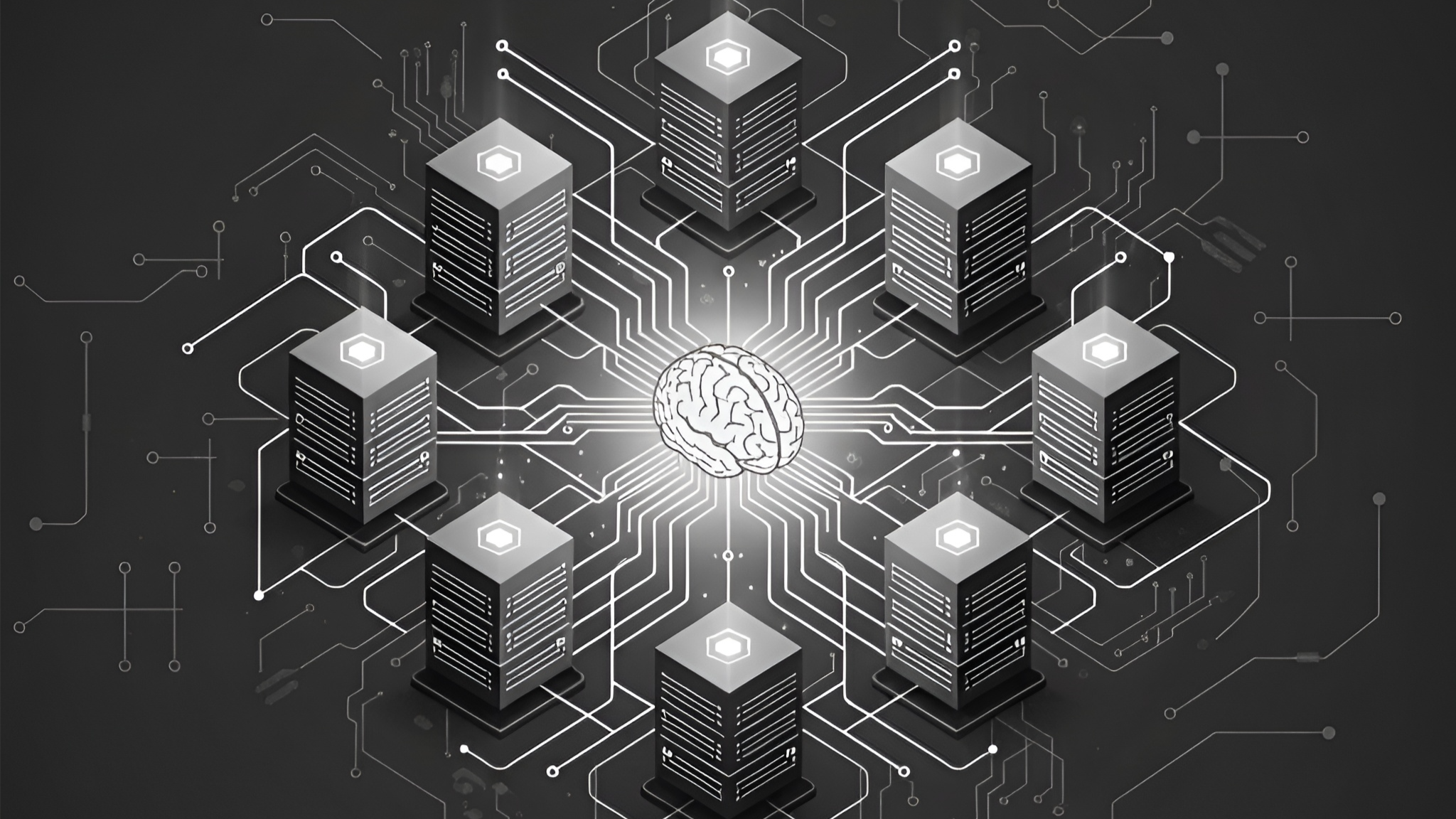
Think of an MCP server like a universal bridge. Rather than building custom integrations for each AI model or tool you connect to — which historically has been time-intensive and brittle — the MCP specification defines a standard language and set of expectations for how tools talk to one another.
Why MCP Servers Matter Now
Traditionally, AI models — no matter how sophisticated — have been somewhat isolated. They can generate text and ideas based on training data, but don’t inherently know how to:
- access real-time databases,
- fetch files from a corporate knowledge base,
- execute actions (like sending an email or committing code),
- or interact with third-party systems without custom connectors.
MCP servers change that.
By offering a standardized, protocol-based mechanism for external interaction, MCP servers let AI models:
- safely access live data sources,
- execute tool calls (like API actions or DB queries),
- and persist stateful sessions across complex tasks.
In other words, MCP servers help transform an LLM from a standalone generator of text into a connected agent that can interact with the real world.
How MCP Servers Work (Technically)
Under the hood, MCP servers implement a well-defined communication protocol that AI clients (or hosts) speak using JSON-RPC 2.0. This protocol handles the structure of requests and responses, ensuring that capabilities are discoverable and invokable in a uniform way.
Here’s a simplified interaction pattern:
- Discovery – The client connects and asks the server what tools and capabilities it exposes.
- Invocation – The client sends specific requests (like “read this document” or “query this database”).
- Execution & Response – The server performs the action and returns results in a consistent format.
- Context Management – Some servers also hold state or context to support multi-turn workflows.
This architecture enables modular functionality — you can, for example, run a server that only exposes calendar access, another that bridges GitHub, and another that handles secure document search — all speak the same MCP language.
Practical Use Cases
MCP servers are being adopted rapidly across a range of scenarios:
- AI-Augmented Development: IDEs and coding tools can connect to MCP servers that read project files, manage tickets, and execute code analysis.
- Enterprise Knowledge Access: Internal assistants can fetch documents, notifications, or CRM records through a secure MCP endpoint.
- Automation Workflows: Agents can orchestrate complex processes — from scheduling meetings to handling ticket escalations — without building custom connectors.
This makes MCP servers particularly valuable in business settings where AI tools need reliable, real-time access to internal systems.
Challenges and Considerations
With great power comes great responsibility — and MCP servers are no exception:
Security Risks
Because they provide access to tools, data sources, and potentially sensitive internal systems, MCP servers can be targets for misuse or exploitation if not well protected. MCP itself does not enforce encryption or authentication — developers have to implement robust security controls around these servers.
Recent reports also highlighted real-world compromises of MCP packages that silently exfiltrated emails and confidential data.
Complexity of Integration
While MCP standardizes the protocol, implementing a custom server that bridges complex enterprise systems still requires careful design. Not all services are easy to expose safely via MCP, and testing remains crucial.
The Future of MCP Servers
As the MCP ecosystem grows, we can expect:
- More diverse server implementations across cloud platforms and open-source repos.
- Security standards and best practices to mature, much like what we saw with the early days of REST and GraphQL.
- Wider adoption across industries as AI tools increasingly become central to business processes.
The Model Context Protocol — and MCP servers specifically — could well be the connective tissue powering the next generation of intelligent, context-aware AI applications.
Conclusion
MCP servers represent a meaningful evolution in how AI interacts with the world — moving from static, isolated models to dynamic, context-rich agents connected to tools, data, and systems that matter. While challenges remain, the potential for enriched AI workflows and integrated automation is vast.
Whether you’re an AI developer, a CTO evaluating technology stacks, or simply curious about where AI is heading, MCP servers are worth understanding — because they’re already shaping the future of intelligent applications.